- Why Cold Treats Make Teeth Ache
- The Real Problem With Soda, Lemonade, and Iced Coffee
- Ice Cream, Popsicles, and Sticky Summer Sweets
- Chewing Ice: The Habit That Cracks Teeth
- Simple Swaps That Protect Your Enamel
- When Sensitivity Means Something More
- How Treatment Restores Comfort
- A Summer Cleaning Resets Your Smile
- Keep Your Smile Comfortable All Summer in Glendale
Summer in Glendale runs on cold drinks and frozen treats. Iced coffee on the way to work, lemonade at the park, a scoop of something after dinner, and a cooler full of soda at every barbecue. It is also the season when patients most often mention a sharp twinge when something cold hits a tooth. At Glendale Dental Wellness, Dr. Ivan Chan hears this from patients across Glendale, Burbank, Pasadena, La Crescenta, and Eagle Rock every July. The good news is that summer sensitivity is usually preventable, and you do not have to give up the treats to protect your teeth.
Why Cold Treats Make Teeth Ache
Beneath your enamel sits a layer called dentin, threaded with thousands of microscopic tubules that lead to the nerve at the center of the tooth. When enamel is intact, it insulates the nerve and you feel nothing. When enamel thins or gums recede and expose the root, cold reaches those tubules directly and the nerve responds with that familiar jolt. Occasional sensitivity to something very cold is common. Sensitivity that lingers after the cold is gone, or that shows up in one specific tooth, is a signal worth having examined.
The Real Problem With Soda, Lemonade, and Iced Coffee
Most people assume sugar is the whole story, but acid does at least as much damage. Sodas, sports drinks, lemonade, and sweetened iced teas are acidic enough to soften enamel on contact, and softened enamel wears away faster with every brush and every bite. What makes summer drinks especially hard on teeth is not the sugar content but the sipping. A soda nursed over two hours at a barbecue bathes your teeth in acid for two hours, while the same soda finished with a meal is a single, much shorter exposure. If you drink hot coffee too, our post on how hot drinks affect your smile covers the staining side of the same habit.
Ice Cream, Popsicles, and Sticky Summer Sweets
Ice cream is a double hit: cold enough to trigger sensitivity in an already vulnerable tooth, and sweet enough to feed the bacteria that cause decay. Sticky treats are worse in a different way. Taffy, gummy candies, dried fruit, and caramel cling to the grooves of your molars long after you have finished eating, giving bacteria a slow release fuel supply. Frozen fruit bars and popsicles seem healthier but are often just as sugary and acidic. None of this means the treats are off limits. It means how and when you eat them matters more than whether you do.
Chewing Ice: The Habit That Cracks Teeth
Of all the summer habits we see, chewing ice causes the most damage in the shortest time. Ice is harder than enamel, and the rapid temperature swing combined with biting force is a reliable way to fracture a cusp or crack an existing filling. Cracks often start small and painless, then widen over months until the tooth needs a crown or worse. If you find yourself crunching the ice at the bottom of every glass, switching to chilled water or sugar free gum is one of the easiest dental wins available to you.
Ready to schedule your appointment? Call us at (818) 243-3838 or request an appointment online.
Simple Swaps That Protect Your Enamel
You can keep the summer treats and still protect your teeth with a few small adjustments. Drink water alongside anything sweet or acidic and rinse with it afterward. Use a straw for iced coffee and soda so the liquid bypasses your front teeth. Finish a treat in one sitting rather than sipping or grazing across the afternoon. And wait about thirty minutes before brushing after something acidic, because enamel is temporarily softened and brushing immediately scrubs it away. These habits cost nothing and do more for cavity prevention than almost anything else you can change.
When Sensitivity Means Something More
General sensitivity across several teeth usually points to enamel wear or gum recession, and often responds well to a desensitizing toothpaste and a fluoride treatment. Sensitivity concentrated in one tooth is a different matter. It can indicate a cavity that has reached the dentin, a cracked filling, or an exposed root, and it does not resolve on its own. Pain that lingers for more than a few seconds after the cold is gone, or that wakes you at night, needs prompt evaluation. Our post on why a toothache suddenly goes away explains why disappearing pain is not the reassurance it seems to be.
How Treatment Restores Comfort
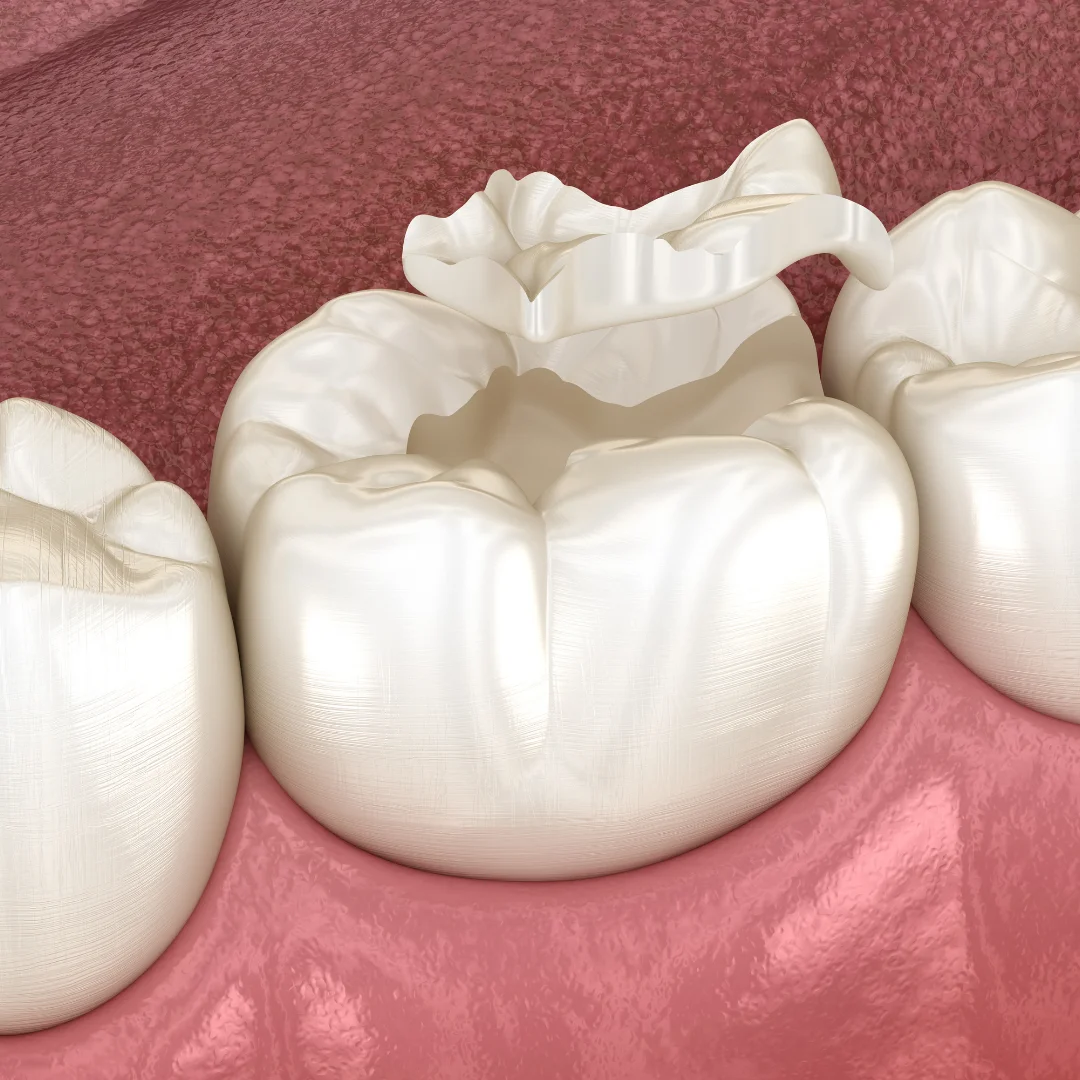
Where summer treats have already caused damage, treatment is usually straightforward. A cavity caught early is repaired with a tooth colored filling that matches your natural shade and takes one visit. Receding gums that expose sensitive root surfaces are addressed through gum disease treatment and maintenance. Dr. Chan starts with a thorough exam to identify exactly which tooth is responsible and why, then recommends the most conservative option that solves the problem, rather than treating the symptom and waiting for it to return.
A Summer Cleaning Resets Your Smile
Months of iced drinks and sweet treats leave behind plaque and surface staining that home brushing cannot fully remove. A professional cleaning clears hardened tartar from the gumline, lifts summer staining, and gives Dr. Chan a clear look at every surface to catch early decay before it reaches the nerve. For most patients, a cleaning every six months as part of a prevention and cleanings routine is enough to keep sensitivity and cavities from ever becoming a problem.
Keep Your Smile Comfortable All Summer in Glendale
You should be able to enjoy an iced coffee or a scoop of ice cream without wincing. If cold foods have started to bother you, Dr. Ivan Chan and the team at Glendale Dental Wellness can find the cause and fix it. We welcome patients from Glendale, Burbank, Pasadena, La Crescenta, Eagle Rock, and Montrose. Call (818) 243-3838 or request an appointment online to schedule your visit.
Frequently Asked Questions
Why are my teeth suddenly sensitive to cold in the summer?
Increased exposure to cold and acidic drinks thins enamel and irritates exposed dentin, which lets cold reach the nerve. Sensitivity that spikes in summer is usually the result of frequent iced drinks and treats rather than a sudden new problem, but a single sensitive tooth should always be examined.
Is soda or sugar worse for my teeth?
Both matter, but acid is the underexplained half. Soda softens enamel on contact regardless of sugar content, which is why diet sodas are not a safe alternative. Sipping slowly over hours is far more damaging than finishing the same drink with a meal.
Should I brush right after eating something sweet or acidic?
Wait about thirty minutes. Acid temporarily softens enamel, and brushing immediately scrubs away that softened layer. Rinse with water right after, then brush once your enamel has had time to reharden.
Is chewing ice really bad for teeth?
Yes. Ice is harder than enamel, and the combination of biting force and rapid temperature change is one of the most common causes of cracked teeth and fractured fillings we see. Chilled water or sugar free gum is a much safer habit.
Will sensitive toothpaste fix my sensitivity?
Desensitizing toothpaste helps with general sensitivity across several teeth caused by enamel wear or mild recession, and usually takes a few weeks to work. It will not fix a cavity, a cracked filling, or an exposed root, so persistent pain in one tooth needs an exam.
How can my kids enjoy summer treats without getting cavities?
Focus on timing rather than banning treats. Serve sweets with meals instead of spreading them through the day, offer water instead of juice or soda between meals, and rinse with water after. Dental sealants and fluoride treatments add strong protection for growing teeth.